Ol Pejeta Conservancy is a 360 km² not-for-profit conservation landscape in Laikipia, Kenya, internationally recognized as a model for integrated conservation—where wildlife protection, community development, tourism, and commercial cattle ranching are managed together in one resilient system.
📍 Location & Landscape
- Located in Laikipia County, near Nanyuki, within the greater Ewaso–Laikipia rangeland ecosystem
- Covers ~360 km² of savanna, bushland, and riverine habitats
- Part of one of Kenya’s most important wildlife–livestock coexistence landscapes
- Ecological role:
- Supports large mammals (rhinos, elephants, predators, plains game)
- Functions as a working rangeland, not a fenced “island park”
- Manages habitat health, grazing pressure, water resources, and corridors
🕰️ Historical Origins (Pre- and Post-Independence)
- 1940s: Land purchased by Lord Delamere and operated as a cattle ranch
- For decades:
- Functioned primarily as a commercial beef ranch
- Wildlife and livestock coexisted informally, typical of Laikipia ranching systems
- Late 1960s onward:
- Kenya’s poaching crisis causes major wildlife declines, especially rhinos and elephants
- Pressure increases to secure wildlife on private and ranch lands
- 1988:
- Then-owner Lonrho Africa establishes Sweetwaters Game Reserve
- Marks the first formal shift toward wildlife protection and tourism
- Early 1990s:
- Sweetwaters Chimpanzee Sanctuary opens (1993) as a refuge for rescued chimpanzees
- Becomes Kenya’s only chimpanzee sanctuary
- 2003–2004:
- Conservation partners secure the land to prevent agricultural conversion
- The property is formally transitioned into Ol Pejeta Conservancy
- Mandate expands to:
- Biodiversity conservation
- Community development
- Sustainable tourism
- Commercial livestock as a conservation tool
- Mid-2000s:
- Major management changes:
- Integration of previously separated wildlife areas into one conservancy
- Upgrading of perimeter fencing for human–wildlife conflict mitigation
- Establishment of modern security and monitoring systems
- Major management changes:
🦏 Global Conservation Significance
- Rhino conservation stronghold:
- One of East Africa’s most important populations of black and white rhinos
- 20 December 2009: Arrival of the last northern white rhinos (Najin, Fatu, Sudan, Suni)
- Today:
- Ol Pejeta hosts the last two northern white rhinos on Earth (Najin & Fatu)
- Site of cutting-edge assisted reproduction and species survival research
- Chimpanzee conservation:
- Sweetwaters Chimpanzee Sanctuary provides lifelong care for rescued chimps
- Plays a major role in education, welfare, and conservation awareness
- Predator conservation:
- High densities of lions, hyenas, leopards, and cheetahs
- Active monitoring, tracking, and conflict mitigation
- Anti-poaching & security:
- Armed ranger units
- K9 anti-poaching unit
- Technology-supported monitoring and rapid response systems
🌍 International Recognition & Standards
- Listed on the IUCN Green List of Protected and Conserved Areas (since 2014)
- Signals:
- High standards of governance
- Effective management
- Measurable conservation outcomes
- Transparent and accountable operations
🤝 Communities & People
- Works directly and indirectly with ~45,000 people across 21 neighboring communities
- Core community focus areas:
- Education (scholarships, school support)
- Livelihoods & enterprise
- Water and health initiatives
- Human–wildlife conflict mitigation
- Philosophy:
- Conservation only succeeds when local people benefit
- Wildlife must be an asset, not a liability, to surrounding communities
🐄 The Integrated Conservation Model (What Makes Ol Pejeta Different)
- Combines:
- Wildlife conservation
- Tourism
- Community development
- Commercial cattle ranching
- Why cattle matter:
- Provide financial stability to buffer tourism and donor shocks
- Used as a land management tool to maintain grasslands and soil health
- Part of a broader nature-based solutions approach
- Goal:
- Prove that conservation can pay for itself while delivering social and ecological benefits
🧪 Research, Monitoring & Science
- Long-term monitoring of:
- Rhinos, predators, elephants, and key herbivores
- Habitat condition and rangeland health
- Supports:
- Conservation research partnerships
- Species recovery programs (notably rhinos)
- Applied management experiments in grazing, fencing, and coexistence strategies
🏨 Tourism & Education
- Tourism is a conservation tool, not just a revenue stream
- Offers:
- Game drives (day and night)
- Rhino and lion tracking
- Chimpanzee sanctuary experiences
- Guided bush walks
- Conservation talks and behind-the-scenes visits
- Visitor experience goals:
- High-quality wildlife viewing
- Education about conservation realities
- Direct connection between tourism revenue and conservation impact
🏛️ Governance & Management
- Operates as a not-for-profit conservation organization
- Supported by:
- A Kenyan operational structure
- An affiliated UK charitable entity supporting conservation and fundraising
- Leadership:
- CEO: Justin Heath (appointed April 2022)
- Mandate includes:
- Strengthening financial sustainability
- Improving asset management
- Scaling conservation and community impact
- Governance priorities:
- Transparency
- Accountability
- Long-term financial resilience
- Measurable conservation outcomes
🎯 Mission, Vision & Purpose
- Purpose: Guardians of nature for the benefit of all
- Mission:
- Conserve biodiversity for future generations through nature-based solutions
- Vision:
- To be a global role model for integrated conservation
🧭 Strategic Objectives
- Maintain healthy habitats for wildlife and livestock
- Deliver meaningful benefits to surrounding communities
- Achieve financial sustainability and operational excellence
- Build and support a high-performing, professional conservation team
- Scale impact through:
- Conservation innovation
- Partnerships
- Education and advocacy
🧩 Why Ol Pejeta Matters in Kenya’s Conservation Story
- Represents a shift from:
- “Parks only” conservation → landscape-scale, people-inclusive conservation
- Demonstrates:
- How private and community lands can carry major conservation value
- How wildlife, people, and business can coexist in one system
- Stands at the intersection of:
- Species survival (rhinos, chimps, predators)
- Community development
- Climate and rangeland resilience
- Sustainable tourism
About
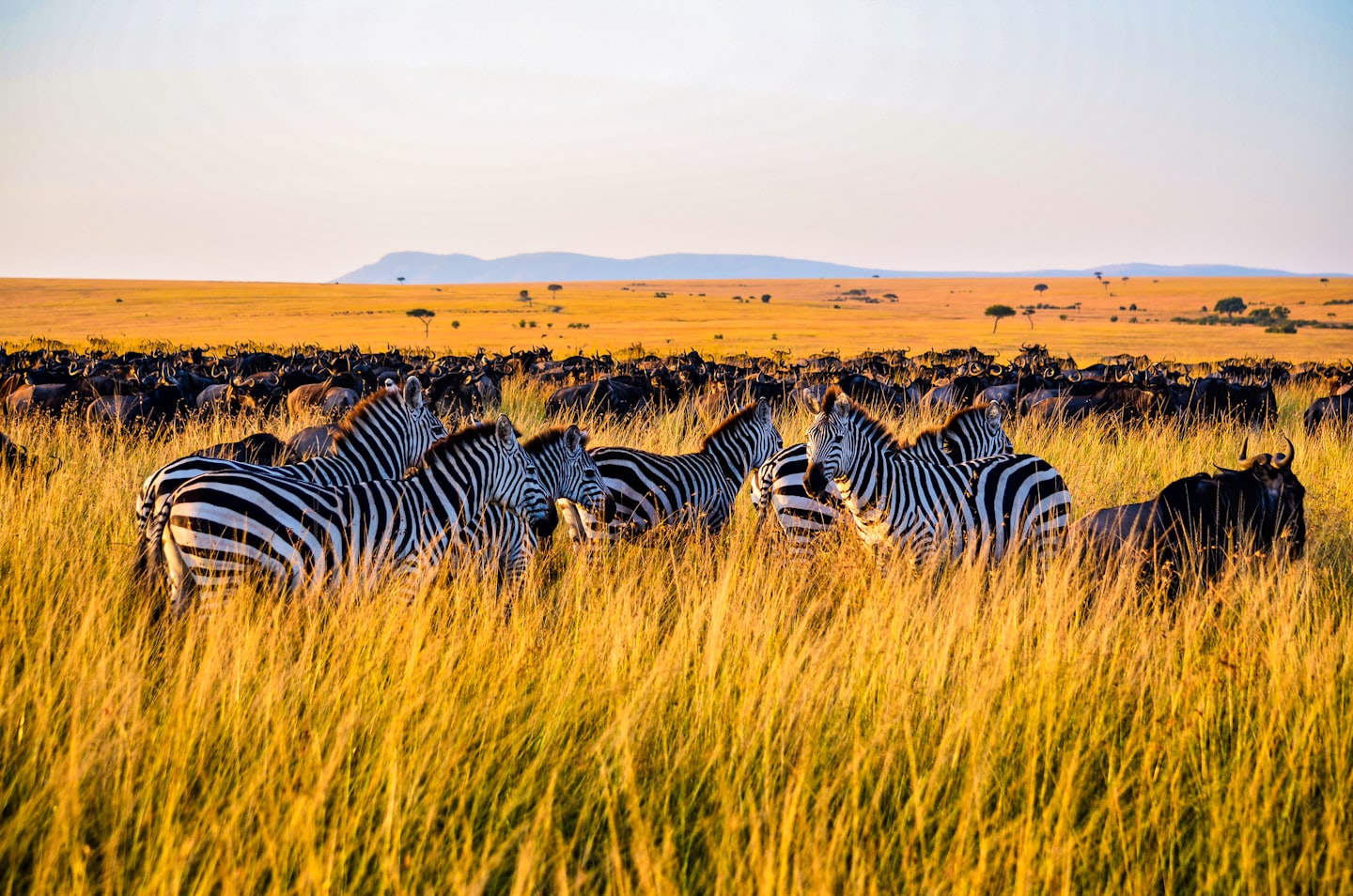
Explore Kenya’s Iconic Wildlife Sanctuary
Ol Pejeta Conservancy Kenya is driven by a mission to protect endangered species, advance sustainable tourism, and safeguard the natural beauty of Kenya for future generations.